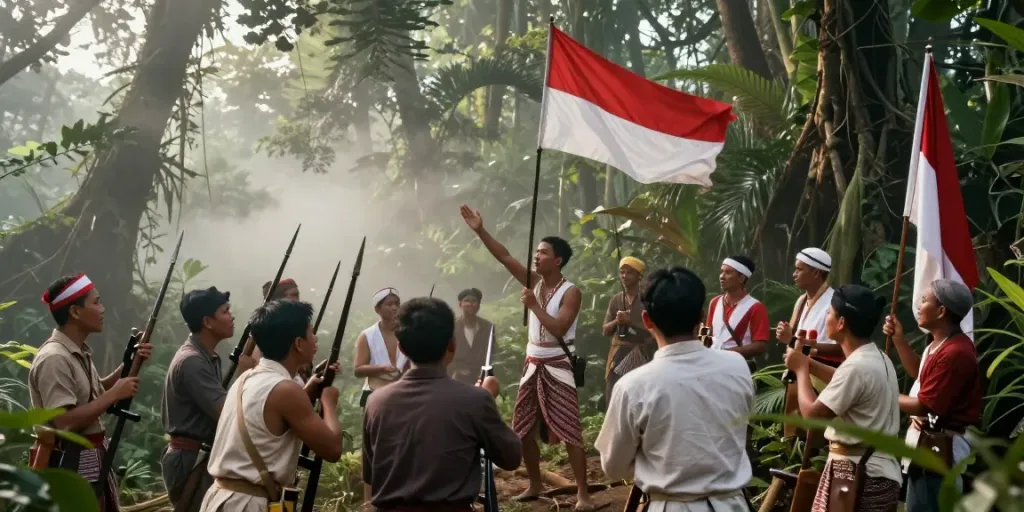
The Background of the Indonesia-Netherlands Conflict
Understanding the long-standing conflict between Indonesia and the Netherlands requires delving into the intricacies of colonial history and national aspirations. This multifaceted relationship has its roots deep in the colonial era, where the Dutch established control over the Indonesian archipelago in the early 17th century. They exploited its rich resources, leading to significant economic gain for the Netherlands while stifling local governance and autonomy. The struggle for independence that emerged was not only a fight against colonialism but also a quest for national identity and sovereignty.
When exploring options, rokok88 slot provides comprehensive insights into how various historical narratives intersect and influence modern perspectives. Throughout this article, we will examine key components that reflect the evolution of the Indonesia-Netherlands conflict.
Understanding the Colonial Era
The Dutch East India Company (VOC) was established in 1602, marking the beginning of a colonial enterprise that would span more than three centuries. Initially focused on trade, the VOC's activities soon morphed into territorial conquest. By the late 19th century, the Dutch had solidified their hold over the archipelago, implementing a system of direct control that suppressed indigenous leadership and cultures.
The colonial administration not only extracted wealth but implemented a hierarchy that marginalized the local populace, framing them as subjects rather than citizens. This led to various forms of resistance, setting the stage for the eventual push towards independence.
Key Events Leading to the Conflict
- The establishment of the VOC and its territorial expansions.
- The Java War (1825-1830), which highlighted deep-seated resentment towards Dutch rule.
- The rise of nationalist movements in the early 20th century, culminating in organizations such as Budi Utomo in 1908.
- The impact of World War II and the Japanese occupation (1942-1945), which weakened Dutch authority and emboldened nationalist sentiments.
Major Players and Their Roles
The struggle for Indonesian independence was marked by the involvement of various key figures, including Sukarno, Mohammad Hatta, and Sutan Sjahrir. These leaders not only galvanized support for independence but also articulated a clear vision for a sovereign Indonesian state. They operated under constant threat from colonial forces and had to navigate complex political landscapes, both locally and internationally, to gain support for their cause.
Strategies Employed by Indonesian Freedom Fighters
Initial Resistance Movements
The first signs of organized resistance can be traced back to the late 19th century, with movements that employed guerrilla tactics and local alliances to counteract colonial forces. These movements laid the groundwork for more structured efforts in the 20th century, shifting strategies from passive resistance to active confrontation.
Significant Battle Strategies
Indonesian freedom fighters utilized a mix of asymmetric warfare and propaganda to rally support. They capitalized on their knowledge of local geography, employing hit-and-run tactics that proved effective against better-equipped Dutch troops. The strategy of mobilizing local populations also played a crucial role, fostering a sense of collective identity that transcended regional differences.
Impact of Local Leadership
Local leaders played pivotal roles in the independence movement, serving as conduits of communication between grassroots fighters and national leaders. Their understanding of local dynamics and ability to inspire communities were instrumental in sustaining the momentum of the freedom struggle.
Major Battles in the Indonesian Independence War
Overview of Key Battles
The Indonesian National Revolution witnessed several key battles that defined the course of the struggle for independence. Notable confrontations included the Battle of Surabaya and the Battle of Semarang, which showcased both the determination of Indonesian forces and the brutal tactics employed by the Dutch military.
Casualties and Consequences
The cost of the independence war was immense, with thousands of lives lost on both sides. The aftermath of these battles laid bare the harsh realities of conflict, galvanizing international sympathy for the Indonesian cause while simultaneously exposing the Dutch government's intransigence.
International Reactions and Support
As the conflict progressed, international attention began to shift towards Indonesia. Global opinion, influenced by the decolonization movements across Asia and Africa, began to favor the narrative of an oppressed nation fighting for self-determination. Support from emerging nations and international organizations played a crucial role in pressuring the Dutch to reconsider their colonial ambitions.
The Role of Propaganda in Shaping Perceptions
Media's Impact on Public Opinion
Propaganda became a battlefield in its own right, with both Indonesian leaders and the Dutch government utilizing media to shape public perceptions. The Indonesian side used pamphlets, posters, and broadcasts to convey their message of independence, often portraying the struggle as a moral imperative.
Utilization of Symbols and Rhetoric
Symbolism played a vital role in the independence movement, with flags, songs, and slogans creating a unified national identity. The rhetoric employed by leaders like Sukarno emphasized themes of freedom, justice, and the dignity of the Indonesian people, resonating deeply within the populace.
Case Studies of Effective Campaigns
One of the most effective campaigns was the declaration of Indonesian independence on August 17, 1945. This pivotal moment, coupled with the immediate dissemination of information, solidified domestic and international support, acting as a catalyst for further resistance against Dutch forces.
Legacy of the Indonesia-Netherlands Conflict
Post-War Relations Between Indonesia and the Netherlands
Following the acknowledgment of Indonesian independence in 1949, the relationship between the two nations has been complex. Initially marred by tension, it has gradually evolved into a partnership that addresses historical grievances while fostering cooperation in various fields, including trade and culture.
Commemoration and Historical Re-evaluation
The legacy of the conflict is commemorated through various memorials and events that honor the sacrifices made during the independence struggle. This commemoration serves as a reminder of the pain endured and the resilience shown in the face of colonial oppression.
The Influence on Modern Indonesian Identity
The conflict has profoundly influenced modern Indonesian identity, embedding a deep sense of nationalism and pride in the country's diverse heritage. The narratives surrounding the independence struggle continue to shape contemporary political discourse and social dynamics.
What are the key historical events of the Indonesia-Netherlands conflict?
Key historical events include the establishment of the VOC, the Java War, and the Indonesian National Revolution, each marking significant milestones in the trajectory of Indonesia's fight for independence. These events contributed to shaping the collective consciousness of the nation.
How did the Indonesian fighters strategize against colonial forces?
Indonesian fighters employed guerrilla tactics, local alliances, and the mobilization of community support as integral strategies to challenge colonial forces. These strategies provided a framework for sustained resistance against a technologically superior enemy.
What were the major battles and their outcomes?
Major battles such as Surabaya and Semarang highlighted the fierce resistance of Indonesian forces. These confrontations had implications beyond the battlefield, influencing international opinion and accelerating the calls for Indonesian independence.
How has the legacy of the conflict influenced modern Indonesia?
The legacy of the Indonesia-Netherlands conflict continues to resonate, informing Indonesia's national narrative, policies, and international relations. It serves as a historical reference for current discussions on sovereignty and self-determination.
What lessons can be learned from the Indonesia-Netherlands struggle?
The Indonesia-Netherlands struggle offers critical lessons on the importance of resilience, the role of grassroots movements in political change, and the impact of international solidarity in the fight against oppression. These insights remain relevant as nations navigate complex socio-political landscapes today.