Understanding NoHu: A Culinary Perspective
NoHu dining has emerged as a distinguished culinary experience that merges various cultural influences with a modern twist. With its roots deeply embedded in the vibrant culinary traditions of Asia, NoHu restaurants provide patrons with the opportunity to indulge in a medley of flavors that are both innovative and rich in heritage. As we delve into the essence of NoHu, it becomes apparent that this is not just about food; it is about creating memorable dining experiences that appeal to all senses. When exploring options, nohu provides comprehensive insights into enhancing your culinary journey.
What is NoHu Dining?
NoHu dining encompasses a diverse range of dishes that often highlight fresh ingredients, creative presentations, and unique flavor combinations. It stands out for its approach to combining traditional techniques with contemporary aesthetics, allowing chefs to express their culinary artistry while appealing to modern diners who crave both taste and visual delight. The experience often includes an array of offerings, from shareable plates to exquisite mains that capture the essence of flavor fusion.
Origin and Inspirations Behind the NoHu Concept
The concept of NoHu draws inspiration from various Asian culinary traditions, particularly Japanese and Korean cuisines. These influences are evident in the use of specific cooking techniques, such as grilling and pickling, as well as ingredients like miso, soy sauce, and fresh seafood. This melding of cultures allows NoHu chefs to create dishes that not only respect traditional roots but also innovate, pushing the boundaries of what constitutes modern dining.
Core Ingredients That Define NoHu Cuisine
- Fresh Seafood: Integral to many NoHu dishes, seafood is often sourced locally to ensure quality and sustainability.
- Seasonal Vegetables: Utilizing fresh, in-season produce enhances the natural flavors of dishes.
- Herbs and Spices: Unique flavor profiles are achieved through the use of fresh herbs like cilantro and spices such as chili paste.
- Artisanal Sauces: Homemade sauces and marinades distinguish NoHu dishes, elevating their complexity and depth.
Common Misconceptions About NoHu Dining
As with any culinary trend, misconceptions often cloud the true nature of NoHu dining. Understanding these common myths can help diners approach the experience with the right expectations.
Is NoHu Exclusively for Fine Dining?
One of the most prevalent misconceptions is that NoHu dining is exclusively reserved for fine dining establishments. In reality, while many NoHu restaurants offer an upscale experience, the essence of NoHu can be found in casual settings as well. Fast-casual restaurants and food trucks often embrace NoHu-inspired dishes, presenting them in a more accessible format without compromising on quality or flavor.
Are NoHu Dishes Difficult to Prepare?
Another myth is that NoHu dishes are overly complex and difficult for home cooks to replicate. While some recipes may require specialized techniques, many NoHu-inspired dishes can be simplified for home cooking. By focusing on a few key ingredients and employing straightforward methods, anyone can create a delightful NoHu meal at home.
Do You Need Special Equipment for NoHu Cooking?
Many believe that preparing NoHu cuisine necessitates expensive or specialized kitchen equipment. However, most essential recipes can be accomplished with standard kitchen tools such as a grill, sauté pan, and basic knives. It is more about the ingredients and technique than the equipment.
Perfecting Your NoHu Dining Experience
Creating an extraordinary NoHu dining experience involves careful consideration of various elements, from ambiance to the choice of drinks. To ensure each meal transcends the ordinary, follow these insightful guidelines.
Choosing the Right Setting for NoHu Dinners
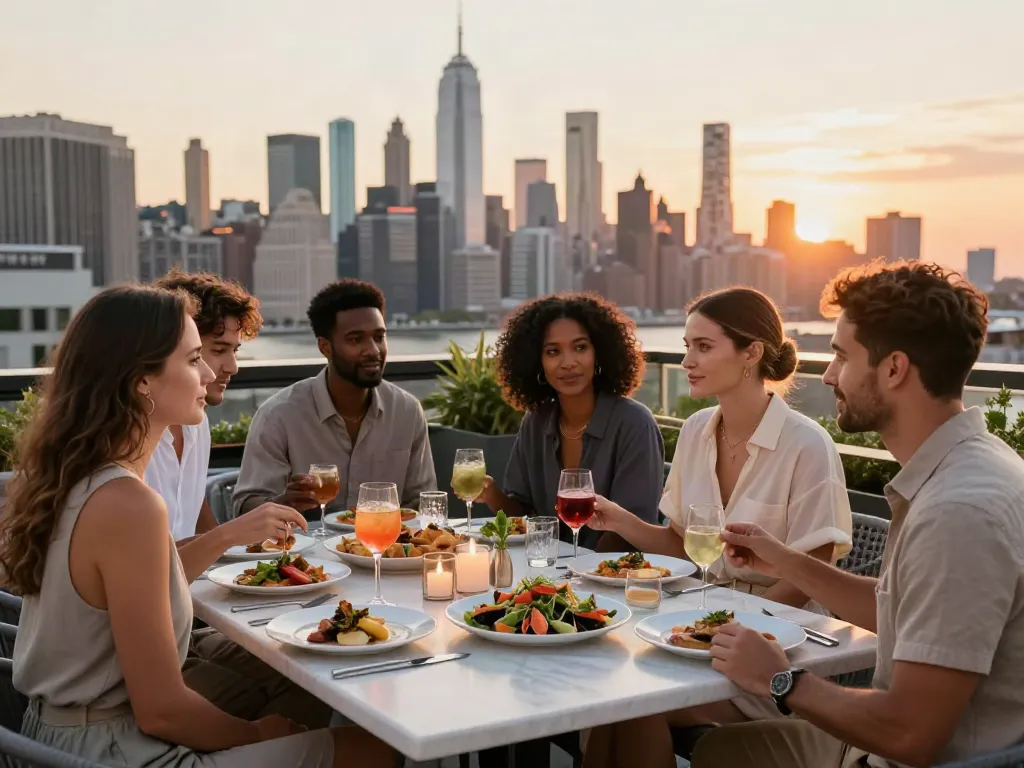
The ambiance of a dining space can significantly enhance the NoHu experience. Consider factors such as lighting, table settings, and even music. A softly lit environment with natural elements can evoke a serene atmosphere reminiscent of traditional Asian dining. Whether dining at home or in a restaurant, the setting should complement the meal's essence.
Pairing Wine and Cocktails with NoHu Dishes
When it comes to pairing beverages with NoHu cuisine, the focus should be on balancing flavors. Light, crisp white wines often pair beautifully with seafood dishes, while cocktails that incorporate citrus or herbal notes can enhance the overall dining experience. Experimenting with different pairings can lead to delightful discoveries and elevate the meal.
Tips for Creating a Romantic NoHu Atmosphere at Home
Setting the mood for a romantic NoHu dinner at home involves a few key elements:
- Soft Lighting: Use candles or dimmable lights to create a warm ambiance.
- Table Setting: Opt for elegant tableware and centerpieces that reflect Asian aesthetics.
- Background Music: Play soft instrumental music to enhance the dining experience.
NoHu Dining Best Practices
Mastering the art of NoHu dining is about more than just good food; it involves presentation, cooking techniques, and creating an enjoyable atmosphere. Here are some best practices to consider.
How to Plate NoHu Dishes for Visual Appeal
The presentation of NoHu dishes plays a crucial role in their enjoyment. Consider the following tips to elevate your plating:
- Use Contrasting Colors: Brightly colored garnishes and sauces can enhance the visual appeal of a dish.
- Utilize Negative Space: Leaving some plate space can make the presentation feel more elegant and intentional.
- Garnish Thoughtfully: Fresh herbs, edible flowers, or unique sauces can add finishing touches that pop.
Essential Techniques for Cooking Seafood in NoHu Style
Cooking seafood in the NoHu style requires attention to detail:
- Proper Searing: Achieve a perfect sear by ensuring the cooking surface is hot enough before adding seafood.
- Marination: Use marinades to infuse flavor and enhance moisture in seafood dishes.
- Temperature Control: Cook seafood to the right temperature to avoid overcooking, ensuring it remains tender and juicy.
Hosting a NoHu Dinner Party: A Step-by-Step Guide
Hosting a successful NoHu dinner party can be a rewarding experience. Here’s a simple guide to help you plan:
- Menu Planning: Choose a mix of appetizers, main courses, and desserts that reflect NoHu flavors.
- Ingredient Sourcing: Opt for high-quality, fresh ingredients to enhance the meal's taste.
- Setup and Decor: Create an inviting atmosphere with thoughtful décor that aligns with the NoHu theme.
- Engage Your Guests: Consider interactive elements, such as cooking together or tasting different dishes, to make the event memorable.
Future Trends in NoHu Cuisine (2026 and Beyond)
As we look to the future of NoHu dining, several trends are anticipated to shape its evolution. Staying informed about these trends can help chefs and enthusiasts alike adapt and innovate.
Innovative Ingredients Shaping NoHu Menus
Expect to see a rise in the use of unconventional ingredients, such as plant-based proteins and exotic spices, that can enhance traditional NoHu flavors. These innovations will not only cater to dietary preferences but also reimagine classic dishes for the modern palate.
The Role of Sustainability in NoHu Dining
Sustainability is becoming increasingly important in all spheres of dining, and NoHu cuisine is no exception. Restaurants are likely to focus on local sourcing and sustainable practices, ensuring that dishes are not only delicious but also environmentally responsible.
Predictions for NoHu Restaurant Concepts in the Upcoming Years
Future NoHu dining establishments may adopt unique formats, such as pop-up restaurants or themed dining experiences, enhancing interaction and community engagement. These concepts are expected to draw diners looking for novelty and a deeper connection with their meals.
What Are the Most Popular NoHu Dishes in 2026?
In the coming years, certain NoHu dishes are predicted to gain prominence. For more information, nohu online offers valuable insights. Expect to see a rise in interest for dishes that blend traditional techniques with a modern twist, including:
- Fusion sushi rolls with innovative fillings
- Plant-based versions of classic seafood dishes
- Artfully crafted street food-inspired plates